

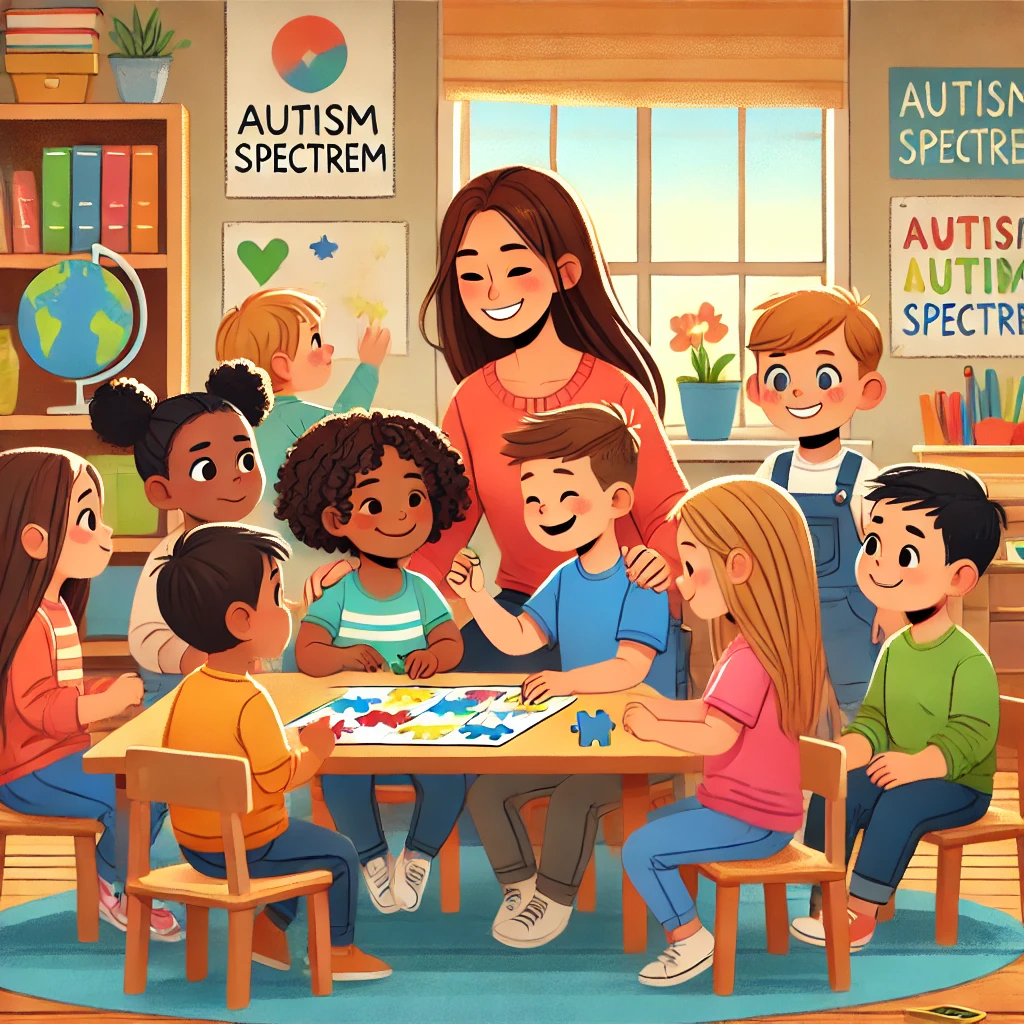
Integrating children with autism into mainstream environments can profoundly impact their development, confidence, and future opportunities. Inclusion allows these children to build meaningful connections, improve communication skills, and learn alongside their peers. Inclusive settings also educate neurotypical children, fostering empathy and understanding, which can help break down stereotypes and create a more supportive community.
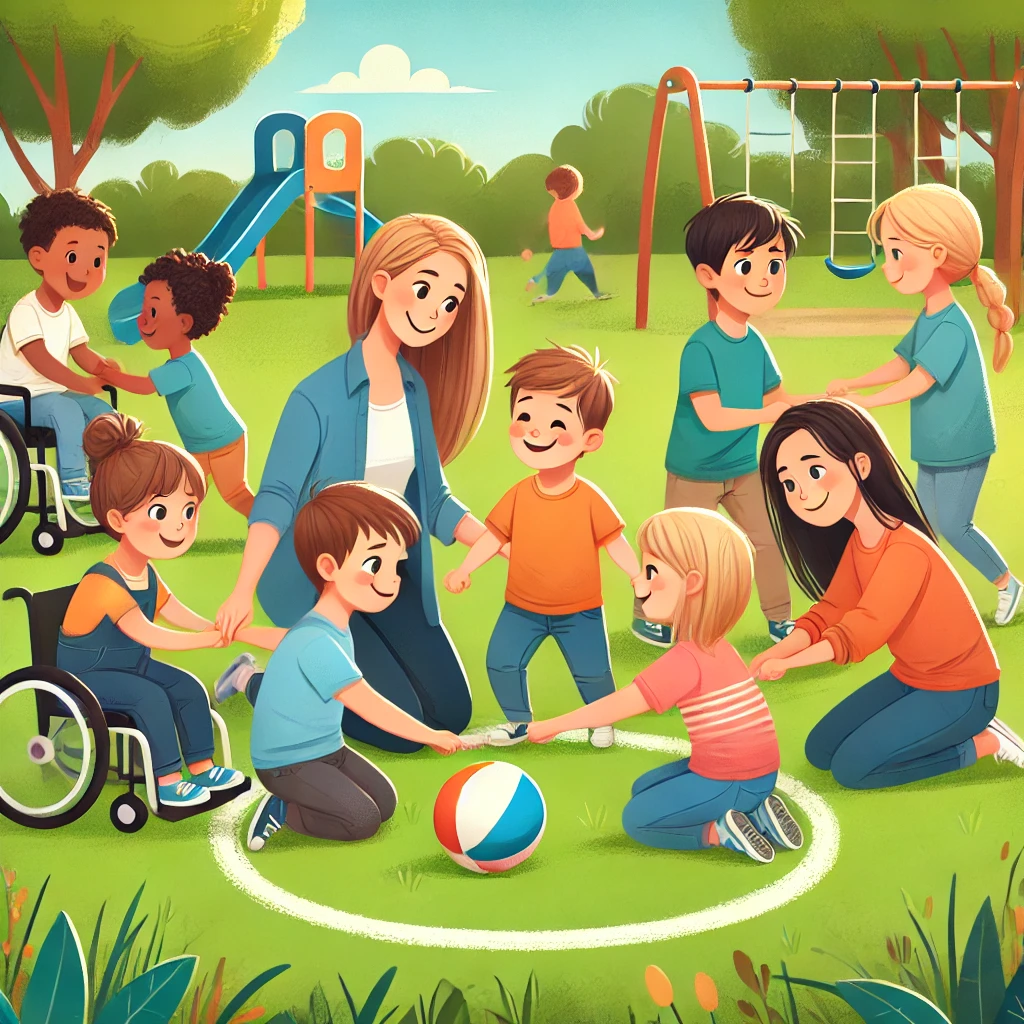
For children on the autism spectrum, structured interactions in diverse social settings can help them develop essential life skills. Through inclusion, they experience daily routines, group activities, and new interactions, which can improve their adaptability and encourage them to engage in social exchanges. The benefits extend to all participants, as inclusion enriches everyone’s understanding of diverse abilities, strengths, and perspectives.
Inclusive practices, when thoughtfully implemented with the help of educators, therapists, and parents, create supportive environments for all. Building a society where every child feels valued promotes a sense of belonging, enabling children with autism to reach their fullest potential and contribute meaningfully to the community.

As a parent of a child with autism, I can’t express enough how important it is to focus on inclusion and support in all environments, whether at home, school, or in the community. This post provides such a great insight into the impact of integration and the challenges children face. It’s encouraging to see more awareness being raised around autism and how small adjustments can make a big difference in their lives. Thank you for sharing this valuable information—it’s a reminder of how we can all contribute to a more inclusive and understanding society